Effective and Responsible Techniques for Reusing Transformer Oil
The recycling of transformer oil is a vital yet typically overlooked facet of power management and ecological security. Techniques such as sophisticated filtration and chemical therapy not only improve oil quality however also minimize the environmental threats associated with inappropriate disposal.
Significance of Recycling Transformer Oil
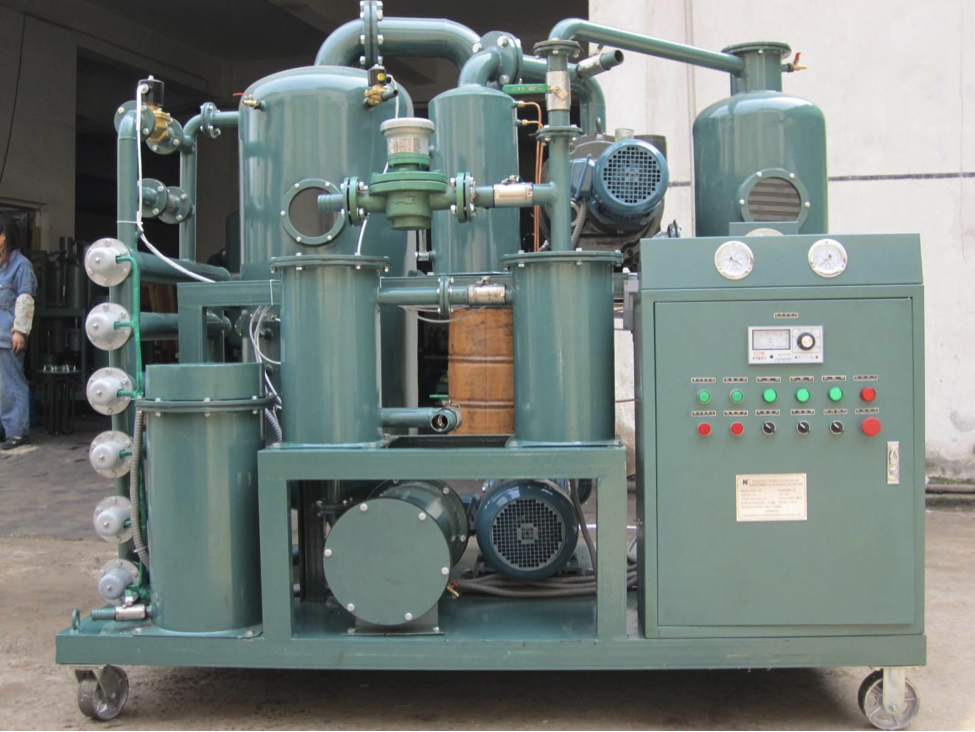
By reusing transformer oil, firms can minimize these ecological threats while additionally maximizing economic advantages. Recovered oil can be dealt with and reused in different applications, minimizing the requirement for brand-new oil manufacturing, which consequently preserves natural resources and decreases greenhouse gas exhausts associated with oil removal and refining processes. This technique not only advertises lasting source management yet additionally reduces operational prices for services.

Techniques of Transformer Oil Recycling
Reusing transformer oil entails several efficient techniques that make certain the safe and efficient healing of useful sources while decreasing ecological influence. One key method is filtration, which removes particle impurities and water from the oil, recovering its physical homes. This procedure is commonly boosted by making use of vacuum cleaner dehydration and great filtering methods, which can substantially enhance the oil's high quality.
One more method is chemical treatment, where additives are made use of to counteract acids and damage down dangerous compounds. This process usually includes making use of clay absorbents or chemical agents that can aid recover the oil to its initial efficiency requirements.
Thermal treatment, consisting of distillation, is likewise utilized to divide numerous parts of transformer oil, permitting the recovery of base oils for reuse - Transformer Oil Purification. This approach is specifically reliable for oils that have deteriorated substantially
Last but not least, re-refining procedures transform used transformer oil back into high-grade base oils ideal for new items. By applying these recycling methods, the industry can not only decrease waste yet also promote lasting practices that add to source conservation and environmental security. Each approach offers one-of-a-kind benefits, making them vital components of an effective transformer oil reusing strategy.
Regulatory Standards and Conformity
Navigating the regulative landscape surrounding transformer oil recycling is vital for guaranteeing conformity and promoting environmentally liable practices. Different regulations control the handling, storage, and disposal of transformer oil, largely because of its potential unsafe nature. In numerous regions, transformer oil is identified as a harmful a knockout post waste, necessitating adherence to details governing structures, such as the Resource Preservation and Healing Act (RCRA) in the United States.
Organizations should know local, state, and government standards that determine the correct recycling techniques and the paperwork required for compliance. Obtaining required authorizations for transport and reusing procedures is typically mandated. In addition, the United State Environmental Protection Firm (EPA) and similar bodies in various other nations give guidelines to ensure that transformer oil is processed in a fashion that reduces environmental risks.
Conformity also entails regular audits and training for workers managing transformer oil to guarantee they comprehend and follow well-known protocols. Transformer Oil Purification. Failure to abide by these guidelines can result in legal effects and substantial fines, highlighting the importance of remaining upgraded on changing regulations and ideal practices in transformer oil recycling. Making certain conformity not only shields the setting yet additionally boosts business obligation and public trust
Ingenious Technologies in Recycling
Developments in innovative modern technologies have dramatically changed the landscape of transformer oil recycling, improving both performance and sustainability. One notable development is using advanced filtration systems that employ nanotechnology to eliminate pollutants and contaminations. These systems can accomplish greater filtration degrees than standard techniques, making sure the oil satisfies rigorous quality requirements for reuse.
Additionally, the combination of automation and artificial knowledge in recycling procedures has streamlined operations. Automated systems screen and enhance the reusing process in real-time, minimizing human error and operational expenses. Moreover, anticipating analytics can forecast tools upkeep needs, minimizing downtime and making best use of throughput.
Last but not least, the advancement of bioremediation techniques, making use of bacteria to deteriorate toxins in visite site transformer oil, showcases an unique approach to reusing that aligns with lasting methods. Jointly, these ingenious technologies are leading the method for extra effective, responsible, and environmentally-conscious transformer oil reusing procedures.
Advantages of Accountable Recycling Practices
While the ecological benefits of liable recycling techniques are typically highlighted, the financial advantages are just as significant. Applying efficient reusing methods for transformer oil can cause significant expense financial savings for organizations. By reprocessing made use of oil instead of buying brand-new supplies, business can lower operational expenditures and enhance their revenue margins.
In addition, accountable reusing practices can produce work opportunities within the neighborhood, as specialized centers are required to manage the collection, processing, and circulation of recycled transformer oil - Recycling Transformer Oil. This not just boosts local economic climates yet also promotes lasting growth
In addition, sticking to liable reusing guidelines assists companies adhere to governing needs, thereby avoiding lawful difficulties and possible penalties related to improper disposal. This compliance can enhance a company's credibility, fostering count on among stakeholders and consumers.
Additionally, the practice of recycling transformer oil adds to source conservation by minimizing the demand for virgin materials, thereby lessening the environmental impact related to oil production. Organizations that prioritize responsible reusing not just strengthen their business social responsibility efforts however likewise position themselves as leaders in lasting techniques within their market. In general, the multifaceted benefits of liable reusing practices are important and obvious for both financial and environmental sustainability.
Conclusion
The recycling of transformer oil is necessary for environmental security and source conservation. Using advanced filtering, chemical therapies, and thermal processing not just recovers oil high quality however also alleviates hazardous waste dangers.
Transformer oil, largely used in electrical transformers for insulation and air conditioning, poses considerable ecological threats when improperly disposed of. Recovered oil can be dealt with and recycled in various applications, decreasing the demand for brand-new oil manufacturing, which in turn saves all-natural sources and reduces greenhouse gas exhausts associated with oil extraction and refining processes.Recycling transformer oil includes numerous reliable approaches that guarantee the risk-free and effective recuperation of valuable resources while reducing environmental effect. Carrying out reliable reusing approaches for transformer oil can lead to significant price financial savings for companies.In addition, the technique of reusing transformer oil adds to source preservation by minimizing the need for virgin materials, thus lessening the environmental footprint associated with oil production.